


Wholistic Communities Project
What is Wholistic Communities Project?
The Wholistic Communities Project is a community-based project catered to the specific advocacy needs of partner communities.
This project aims to help partners identify issues in their community through participatory community research and mobilize core leaders to develop their own action plans for the community.
Depending on available funding, this project also supports community organizations to achieve these plans through leadership development and skills training.
Previous Projects

Journeying with the Poorest of the Poor in Transforming Pockets of Poverty into Wholistic Communities (2021-2025)
Impact Statement
To help pockets of poverty live a dynamic life where they adapt to climate change, have ownership in community decision-making, treat all genders equally, and work together with people of all faiths.
Key Advocacies
Climate Resiliency through:

Disaster Risk Reduction

Renewable Energy Adoption

Ecological Solid Waste Management

Vermicompost Production
Establishment of Women-led and Youth-lead Community Organizations

HOA Leadership Development

Results
800 individuals were reached by the Wholistic Communities Project through trainings, awareness-raising educational sessions, and events

Five Homeowners’ Associations were able to:
-
Develop Community-based Disaster Risk Reduction and Management Plans
-
Install and maintain small-scale solar setups as backup power for disaster situations
-
Implement Ecological Solid Waste Management Plans through Materials Recovery Stations and Recyclables Collection
-
Establish a Vermicompost Production Business

Founded SALAKAB, a women’s organization that organizes awareness events for mental health and gender equality and providing small livelihoods through organic soap production

Founded K Youth, an award-winning Youth Organization advocating for mental health in their community with the use of weekly peer counseling group sessions and facilitating mental health awareness-raising sessions


Wholistic Communities Project
The Wholistic Communities Project was a 5-year community development project for 5 Homeowners’ Associations (HOAs) in Unit 2, Barangay Commonwealth. Its goal was to help pockets of poverty live a dynamic life where they adapt to climate change, have ownership in community decision-making, treat all genders equally, and work together with people of all faiths.
The 5 HOAs found that advocacy work could also lead to their organizations’ improvement through income generation. The participants identified ecological solid waste management as a primary need in their community, and developed waste management plans that included recycling and vermicompost production. As a result, the HOAs produced income that was able to match their association dues (PHP 2,000.00 total for a 100-household association), and even set up a pop-up booth at the barangay plaza for a month.
The HOAs also developed a renaissance in terms of officer activity, as officers who were inactive gained renewed energy from having identified community issues that they could work toward resolving collectively. Instead of leaving it all to the HOA president to decide and act, each HOA developed a stronger democratic foundation for action.
The project also led to a stronger organizational presence for women and youth in the area, with the development of organizations for each of the aforementioned sectors with goal of developing communal leadership in resolving sectoral issues. In particular, K Youth, a youth organization focusing on mental health, and gender sensitivity, won multiple awards from the Barangay Youth Council for their mental health advocacy, involving peer listening and mental health awareness workshops.
Around 800 individuals were reached by the Wholistic Communities Project through trainings, awareness-raising educational sessions, and events.


Wholistic Communities Project
What is Wholistic Communities Project?
The Wholistic Communities Project is a community-based project catered to the specific advocacy needs of partner communities.
This project aims to help partners identify issues in their community through participatory community research and mobilize core leaders to develop their own action plans for the community.
Depending on available funding, this project also supports community organizations to achieve these plans through leadership development and skills training.
Journeying with the Poorest of the Poor in Transforming Pockets of Poverty into Wholistic Communities (2021-2025)
Impact Statement
To help pockets of poverty live a dynamic life where they adapt to climate change, have ownership in community decision-making, treat all genders equally, and work together with people of all faiths.
Previous Projects
Key Advocacies
Climate Resiliency through:
Disaster Risk Reduction
Renewable Energy Adoption
Ecological Solid Waste Management
Vermicompost Production
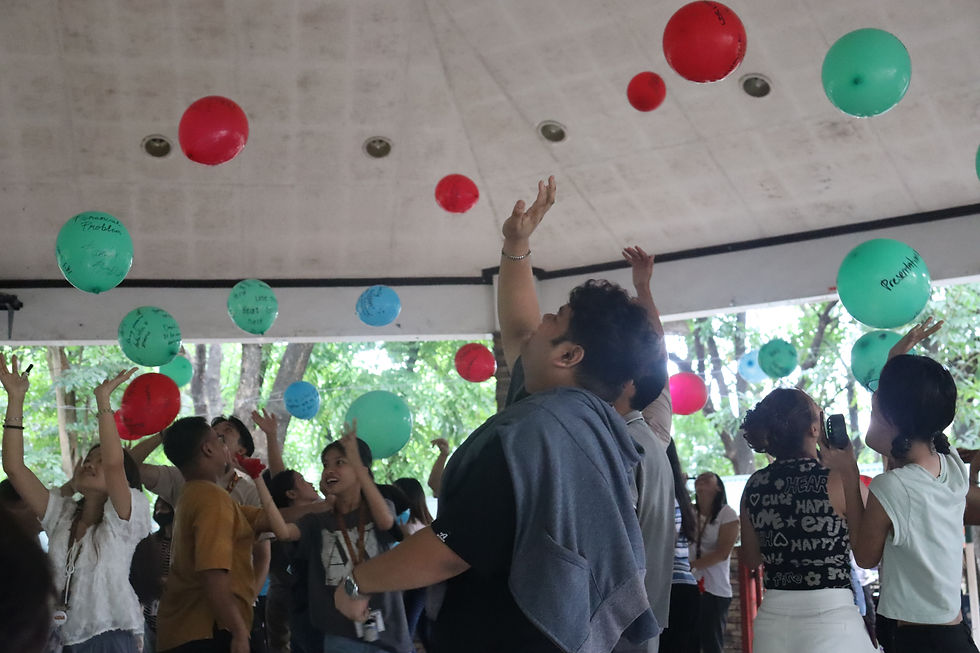
HOA Leadership Development

Establishment of Women-led and Youth-lead Community Organizations
Results
800 individuals were reached by the Wholistic Communities Project through trainings, awareness-raising educational sessions, and events
Five Homeowners’ Associations were able to:
-
Develop Community-based Disaster Risk Reduction and Management Plans
-
Install and maintain small-scale solar setups as backup power for disaster situations
-
Implement Ecological Solid Waste Management Plans through Materials Recovery Stations and Recyclables Collection
-
Establish a Vermicompost Production Business
Founded SALAKAB, a women’s organization that organizes awareness events for mental health and gender equality and providing small livelihoods through organic soap production

Founded K Youth, an award-winning Youth Organization advocating for mental health in their community with the use of weekly peer counseling group sessions and facilitating mental health awareness-raising sessions
The Wholistic Communities Project was a 5-year community development project for 5 Homeowners’ Associations (HOAs) in Unit 2, Barangay Commonwealth. Its goal was to help pockets of poverty live a dynamic life where they adapt to climate change, have ownership in community decision-making, treat all genders equally, and work together with people of all faiths.
The 5 HOAs found that advocacy work could also lead to their organizations’ improvement through income generation. The participants identified ecological solid waste management as a primary need in their community, and developed waste management plans that included recycling and vermicompost production. As a result, the HOAs produced income that was able to match their association dues (PHP 2,000.00 total for a 100-household association), and even set up a pop-up booth at the barangay plaza for a month.
The HOAs also developed a renaissance in terms of officer activity, as officers who were inactive gained renewed energy from having identified community issues that they could work toward resolving collectively. Instead of leaving it all to the HOA president to decide and act, each HOA developed a stronger democratic foundation for action.
The project also led to a stronger organizational presence for women and youth in the area, with the development of organizations for each of the aforementioned sectors with goal of developing communal leadership in resolving sectoral issues. In particular, K Youth, a youth organization focusing on mental health, and gender sensitivity, won multiple awards from the Barangay Youth Council for their mental health advocacy, involving peer listening and mental health awareness workshops.
Around 800 individuals were reached by the Wholistic Communities Project through trainings, awareness-raising educational sessions, and events.

Wholistic Communities Project


Wholistic Communities Project


Wholistic Communities Project
The Wholistic Communities Project is a community-based project catered to the specific advocacy needs of partner communities.
This project aims to help partners identify issues in their community through participatory community research and mobilize core leaders to develop their own action plans for the community.
Depending on available funding, this project also supports community organizations to achieve these plans through leadership development and skills training.
What is Wholistic Communities Project?
Previous Projects

Journeying with the Poorest of the Poor in Transforming Pockets of Poverty into Wholistic Communities (2021-2025)
Impact Statement
To help pockets of poverty live a dynamic life where they adapt to climate change, have ownership in community decision-making, treat all genders equally, and work together with people of all faiths.
Key Advocacies
Climate Resiliency through:
Disaster Risk Reduction
Renewable Energy Adoption
Ecological Solid Waste Management
Vermicompost Production
HOA Leadership Development
Establishment of Women-led and Youth-lead Community Organizations

Results
800 individuals were reached by the Wholistic Communities Project through trainings, awareness-raising educational sessions, and events

Five Homeowners’ Associations were able to:
-
Develop Community-based Disaster Risk Reduction and Management Plans
-
Install and maintain small-scale solar setups as backup power for disaster situations
-
Implement Ecological Solid Waste Management Plans through Materials Recovery Stations and Recyclables Collection
-
Establish a Vermicompost Production Business

Founded SALAKAB, a women’s organization that organizes awareness events for mental health and gender equality and providing small livelihoods through organic soap production.
Founded K Youth, an award-winning Youth Organization advocating for mental health in their community with the use of weekly peer counseling group sessions and facilitating mental health awareness-raising sessions.
The Wholistic Communities Project was a 5-year community development project for 5 Homeowners’ Associations (HOAs) in Unit 2, Barangay Commonwealth. Its goal was to help pockets of poverty live a dynamic life where they adapt to climate change, have ownership in community decision-making, treat all genders equally, and work together with people of all faiths.
The 5 HOAs found that advocacy work could also lead to their organizations’ improvement through income generation. The participants identified ecological solid waste management as a primary need in their community, and developed waste management plans that included recycling and vermicompost production. As a result, the HOAs produced income that was able to match their association dues (PHP 2,000.00 total for a 100-household association), and even set up a pop-up booth at the barangay plaza for a month.
The HOAs also developed a renaissance in terms of officer activity, as officers who were inactive gained renewed energy from having identified community issues that they could work toward resolving collectively. Instead of leaving it all to the HOA president to decide and act, each HOA developed a stronger democratic foundation for action.
The project also led to a stronger organizational presence for women and youth in the area, with the development of organizations for each of the aforementioned sectors with goal of developing communal leadership in resolving sectoral issues. In particular, K Youth, a youth organization focusing on mental health, and gender sensitivity, won multiple awards from the Barangay Youth Council for their mental health advocacy, involving peer listening and mental health awareness workshops.
Around 800 individuals were reached by the Wholistic Communities Project through trainings, awareness-raising educational sessions, and events.